
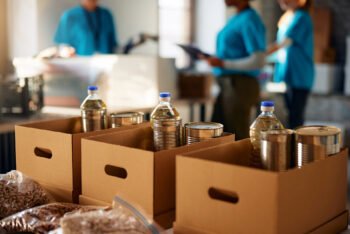
Little Free Food Pantries depend on community donations to stay stocked. Thoughtful donations help make sure food is safe, useful, and accessible to the people who rely on these pantries throughout our area.
This page shares general guidance on the types of items that are most helpful to donate.
Focus on Shelf-Stable Items
Because most Little Free Food Pantries are located outdoors and don’t have refrigeration, shelf-stable foods are usually the best choice.
Items that are commonly needed include:
- Canned vegetables, beans, and soups
- Pasta, rice, and boxed meals
- Cereal and oatmeal
- Peanut butter and other nut butters
- Shelf-stable milk or milk alternatives
Items with pull-tab lids can be especially helpful for people who may not have a can opener.
Choose Foods That Are Easy to Prepare
Not everyone has access to a full kitchen, cooking equipment, or extra time. Foods that are ready to eat or require very little preparation are often the most useful.
Good options include:
- Ready-to-eat canned meals
- Individual snack packs
- Protein bars
- Crackers and packaged bread products
When possible, avoid items that require multiple ingredients or long cooking times.
Consider Different Dietary Needs When You Can
While selection in a small pantry is often limited, having a mix of items can help serve more people.
If available, consider donating:
- Low-sodium canned goods
- Gluten-free options
- Vegetarian or plant-based foods
Clear labeling makes it easier for people to choose items that work for them.
Check Dates and Packaging Before Donating
Before placing items in a pantry, it helps to:
- Check expiration or “best by” dates
- Avoid items that are opened, damaged, or leaking
- Use sealed, original packaging
Food should be safe and in good condition at the time it’s donated.
Items That Are Often Harder to Find
Some items are especially useful but tend to be donated less often, such as:
- Canned protein like tuna, chicken, or beans
- Basic cooking staples like oil or seasoning packets
- Baby food or formula (only if sealed and within date)
Availability varies, but these items are often appreciated when space allows.
What Not to Donate
Certain items generally aren’t suitable for Little Free Food Pantries, including:
- Perishable or refrigerated foods
- Homemade or unsealed items
- Alcohol or products requiring age verification
- Items past their expiration date
When in doubt, shelf-stable and sealed is usually the safest choice.
Hygiene Items Can Be Just as Helpful
Many Little Free Food Pantries also welcome basic non-food items, such as:
- Soap and shampoo
- Toothpaste and toothbrushes
- Menstrual products
- Diapers or wipes, when space allows
These essentials can make a big difference for individuals and families.
Final Notes
Donations help Little Free Food Pantries remain a flexible, community-supported resource. Choosing items thoughtfully helps ensure that what’s donated can be used safely and with dignity.
This directory lists Little Free Food Pantries to support both those seeking food and those looking for ways to help.
Frequently Asked Questions
What are the best items to donate to a Little Free Food Pantry?
Shelf-stable, sealed foods such as canned goods, pasta, rice, cereal, peanut butter, and shelf-stable milk are among the most helpful donations.
Can I donate homemade food to a Little Free Food Pantry?
No. Homemade or unsealed items are not recommended. Donations should be unopened, sealed, and in original packaging to ensure food safety.
Are expiration dates important when donating food?
Yes. Donated items should be within their expiration or “best by” dates and in good condition at the time of donation.
Do Little Free Food Pantries accept hygiene items?
Many do. Items like soap, toothpaste, menstrual products, and diapers are often welcome when space allows.
What items should not be donated?
Perishable foods, alcohol, damaged or opened items, and food past its expiration date should not be placed in Little Free Food Pantries.
Why are shelf-stable items preferred?
Most Little Free Food Pantries are outdoors and do not have refrigeration, making shelf-stable items the safest and most practical option.